Bringing special effects into a new show, attraction or experience involves much more than deciding what you want the audience to see. Behind every effect is a process of creative development, technical design and practical problem-solving to make sure it works within its intended environment.
At Luminous, we’re often approached with a clear creative vision, but the technical details are still taking shape. That’s a natural starting point. Our job is to explore the possibilities and develop a solution that brings the idea to life.
Every project is different, but there are a few key considerations that tend to shape the early stages of special effects design. Here are five of the things we think about.
1. The creative vision behind special effects
Every special effect starts with an idea. It could be a sudden burst of flame, rain falling across a stage, a curtain of smoke or something entirely bespoke. Whatever the effect, understanding the intended visual impact is the starting point for developing a solution.
An effect rarely exists in isolation. It needs to work within the wider show or attraction, whether that’s creating a single dramatic moment, supporting a particular scene or running repeatedly throughout a performance.
This creative intent helps shape the technical approach. There may be several ways to achieve the same visual result, and exploring those possibilities early on helps establish the most suitable solution.
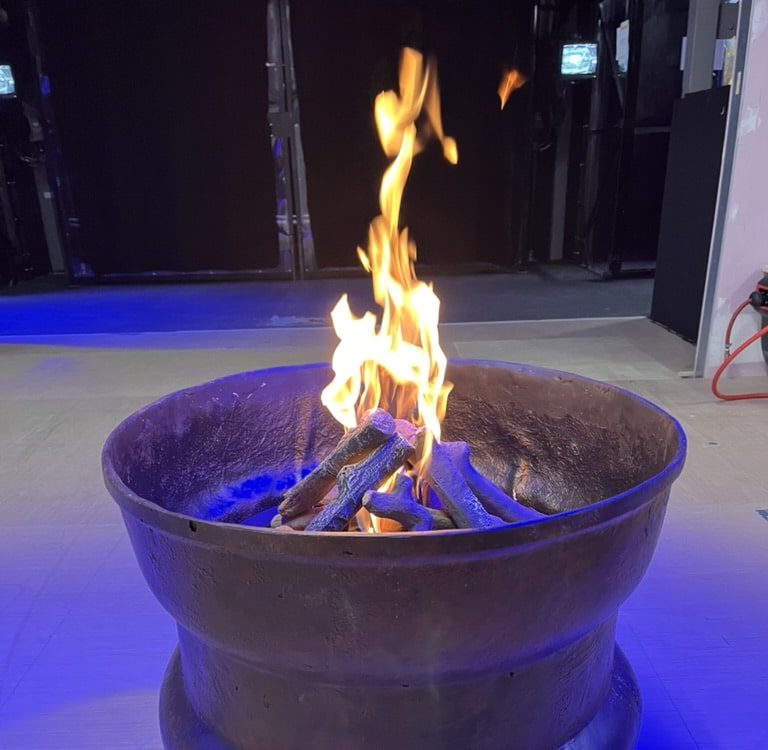
2. Space, positioning and environment
The surrounding environment plays an important role in the design of a special effects system. Venue dimensions, available height and depth, access routes and existing scenery or infrastructure can all influence how equipment is designed and positioned.
The location of the effect in relation to performers and audiences is equally important. Equipment might need to be concealed within scenery, installed overhead or positioned offstage.
For touring productions, systems may also need to work across venues with different layouts and access requirements. Small adjustments to the design or positioning can make a significant difference to how practical a system is.
3. Technical requirements
Every special effects system has its own technical requirements. Depending on the effect, this could include power, water, gas, compressed air or other consumables, alongside supporting equipment such as pumps, tanks and filtration systems.
Understanding the available infrastructure early on helps shape the design. For example, the water supply and recirculation requirements for a rain effect can influence everything from tank positioning to the overall system configuration.
These considerations help ensure the equipment is designed around the environment in which it will operate, rather than trying to make the environment accommodate it later.
4. Integrating special effects into a production
A special effect needs to work as part of the wider experience. It might need to happen at a precise moment alongside lighting, sound, video, movement or other effects.
This influences how the system is controlled, whether it needs to integrate with DMX or show control, and how much flexibility an operator needs during operation. Timing, cueing, intensity and repeatability can all play a part.
It’s also important to consider what happens between cues. Effects that run repeatedly need to reset reliably, while operators may need the ability to make adjustments during a performance. These details help an effect become a dependable part of the experience, rather than something that works brilliantly once but causes a headache every time after.
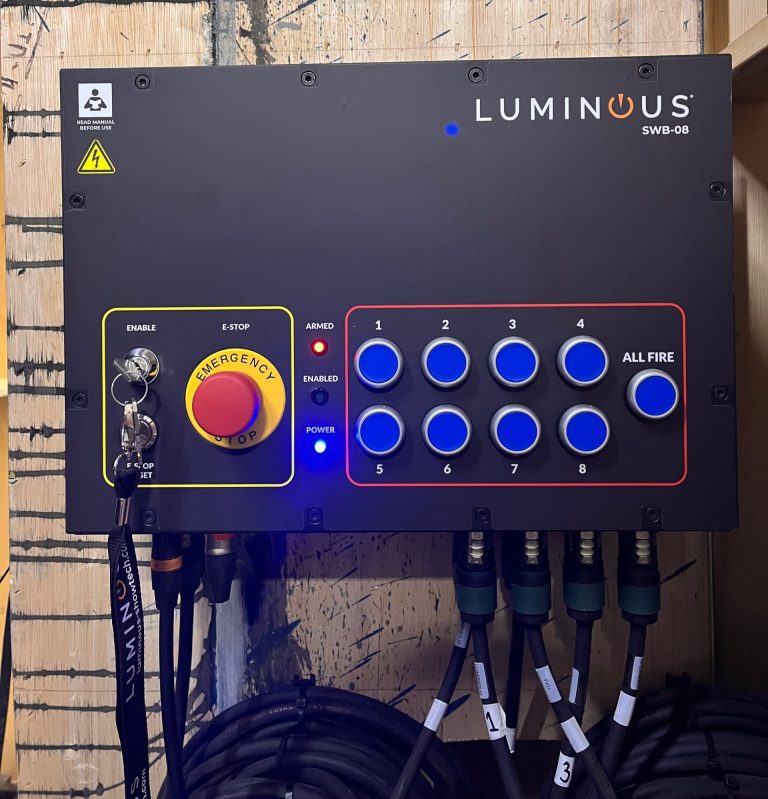
5. Installation and ongoing support
The design process doesn’t stop when the equipment is manufactured. Getting a system into position, installing it and making sure everything works as intended are all important parts of the project.
Venue access, installation schedules, commissioning and testing need to be considered alongside the wider production timeline. There also needs to be enough time to fine-tune the system before it goes into operation.
Beyond installation, equipment accessibility, operator training and ongoing maintenance all contribute to long-term reliability. Touring systems bring additional considerations around efficient pack-down, transportation and reinstallation.
These practical details might happen behind the scenes, but they can make a significant difference to how smoothly a system operates over time.
Need special effects?
There’s a lot that goes into making a special effect work, from the initial creative concept through to engineering, manufacture, installation and ongoing support.
At Luminous, we work with production teams to turn creative ideas into practical, reliable special effects solutions. Whether you have a fully developed brief or just the beginnings of an idea, our team can help explore the possibilities.
Have a special effect in mind for an upcoming project? Get in touch with our team to start a conversation.